ForceBeyond Logo
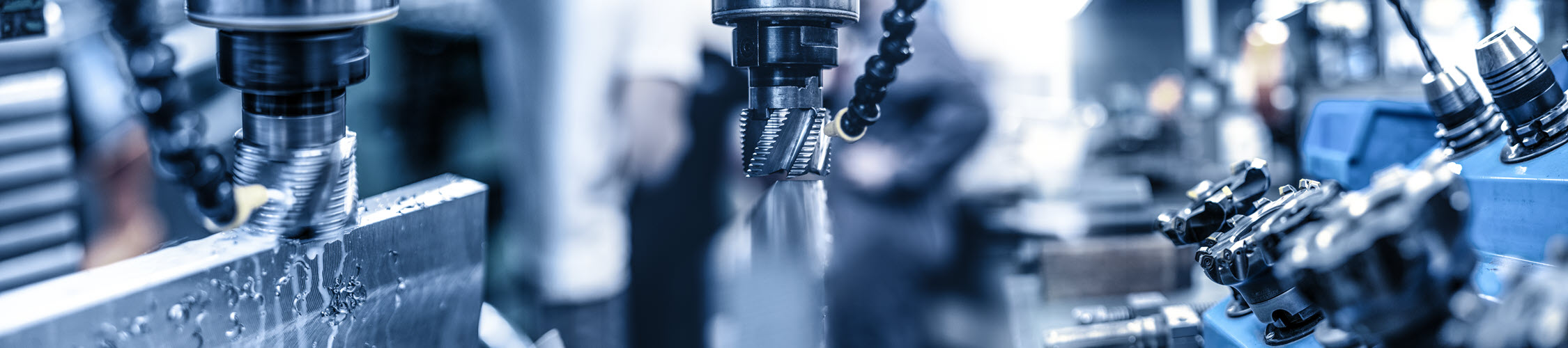
High-precision magnesium die casting facility and CNC machining operations

Magnesium Die Casting: Ultra-Lightweight Precision Manufacturing

Magnesium Die Casting: Ultra-Lightweight Precision Manufacturing

ForceBeyond is a premier manufacturing partner specializing in superior-quality magnesium die casting components. As the lightest structural metal available—approximately 33% lighter than aluminum die casting alloys and 75% lighter than steel—magnesium offers an unparalleled strength-to-weight ratio for applications where weight reduction is mission-critical.

Utilizing state-of-the-art cold-chamber and hot-chamber die casting presses ranging from 180 to 2,000 metric tons, we have the scalable capacity to produce high-precision magnesium components from a few grams up to large structural housings. Through our Tier-1.5 global manufacturing network, we deliver fully machined, coated, and assembly-ready magnesium parts that meet strict ISO 9001:2015 quality standards.

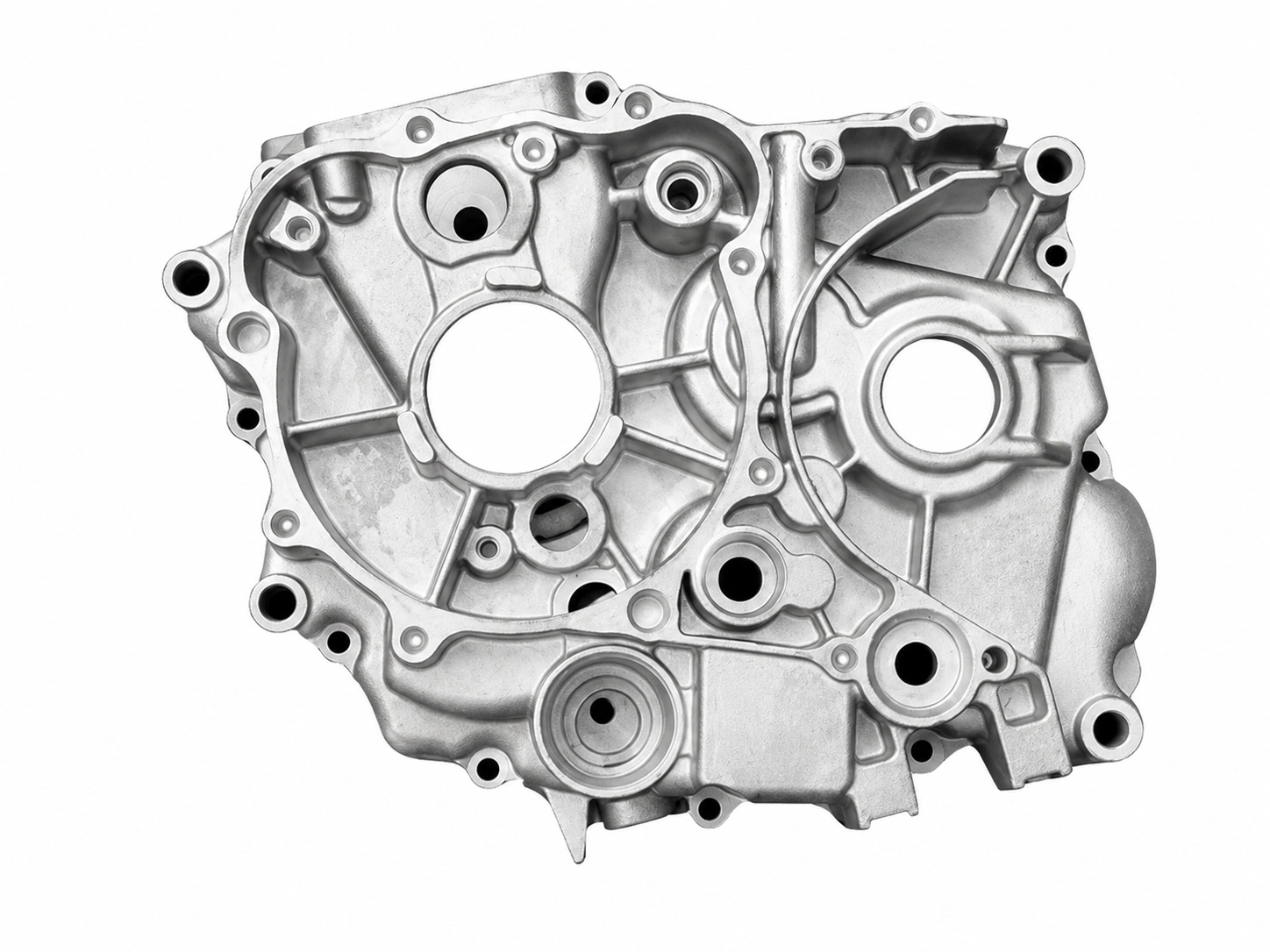
Precision magnesium die-cast automotive engine housing with reinforced ribs, machined openings, and mounting holes on a white background.

Technical Specifications: Magnesium Die Casting Alloys

ForceBeyond ensures all magnesium castings meet rigorous international metallurgical standards. We utilize the industry's most trusted magnesium alloys to match the precise mechanical, thermal, and cosmetic requirements of your project.

Material Grade Tensile Strength (MPa) Thermal Cond. (W/mK) Key Features & Optimal Applications
AZ91D 230 72 The most widely used magnesium die casting alloy. Offers excellent castability, high strength, and good corrosion resistance. Ideal for electronic housings and powertrain components.
AM60B 220 61 Engineered for excellent ductility and energy-absorbing properties. Widely used in automotive safety components like steering wheels and seat frames.
AM50A 210 65 Similar to AM60B but offers even higher ductility and impact resistance at a slight trade-off to absolute strength.
AS41B 210 68 Features excellent creep resistance at elevated temperatures. A prime choice for high-temperature applications like air-cooled engine blocks or transmission cases.

Why Partner with ForceBeyond for Magnesium Die Casting?

Procuring high-quality magnesium components requires a foundry with specialized safety, handling, and processing expertise. Partnering with ForceBeyond ensures you maximize the inherent benefits of the metal:

  • Extreme Weight Reduction: Magnesium is the ultimate choice for lightweighting, allowing engineers to drastically reduce assembly weight without sacrificing structural rigidity or durability.
  • Inherent EMI/RFI Shielding: Unlike plastics or composites, magnesium naturally shields against electromagnetic interference (EMI) and radio frequency interference (RFI), making it highly desirable for medical devices and consumer electronics.
  • High Dimensional Stability: Magnesium offers exceptional dimensional stability over time, making it ideal for complex, thin-walled net-shape castings (down to 1.0mm wall thickness in certain geometries).
  • Extended Tooling Life: Because magnesium has a lower latent heat than aluminum, it transfers less heat to the die steel during the casting process. This significantly reduces thermal fatigue, extending the life of your tooling.

The Magnesium Die Casting Process

Depending on the specific alloy and part size, ForceBeyond utilizes both hot-chamber (for smaller, rapid-cycle parts) and cold-chamber (for larger structural parts) die casting technologies. For non-die applications, explore our investment casting solutions.

Because magnesium is highly reactive in its molten state, our facilities utilize advanced inert cover gas systems to protect the metal from oxidation during melting and injection. The molten magnesium is injected into hardened steel dies under extreme pressure, rapidly solidifying to capture intricate internal geometries and highly detailed surface textures.

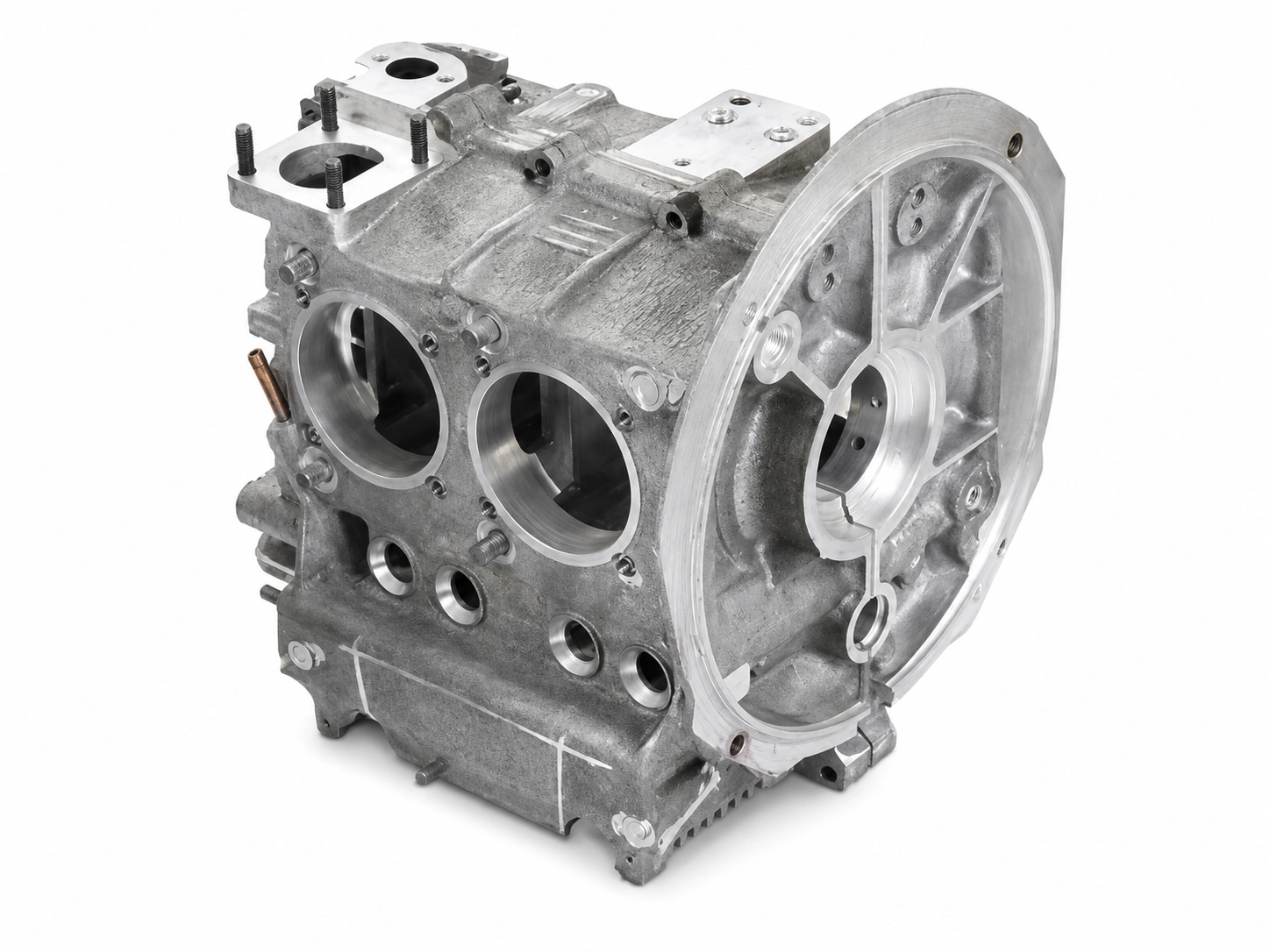
OEM magnesium engine case with machined cylinder bores, mounting surfaces, and reinforced automotive housing features on a white background.

Tier-1.5 Integration: Precision Cast-to-Machine & Finishing Solutions

Magnesium requires specific post-processing and surface treatments to maximize its natural corrosion resistance. ForceBeyond operates a Tier-1.5 model, providing a seamless transition from raw casting to finished component under a single quality umbrella.

Our In-House Secondary Operations Include:

  • High-Speed Precision Machining: Magnesium is exceptionally easy to machine. We utilize 5-axis CNC machining to achieve ultra-tight print tolerances rapidly, extending machine tool life and lowering secondary costs.
  • Protective Surface Treatments: Chromate conversion coatings, phosphate treatments, and specialized anodizing designed specifically for magnesium to prevent galvanic corrosion.
  • Aesthetic & Functional Coatings: Powder coating, e-coating, and painting for final assembly-ready finishes.

Certified Magnesium Die Casting Applications

Thanks to its unmatched weight-to-strength ratio and shielding properties, ForceBeyond supplies mission-critical magnesium components to demanding sectors:

  • Aerospace & Defense: Airframe components, drone (UAV) housings, and lightweight seating structures.
  • Automotive & Transportation: Steering wheel armatures, seat frames, transfer cases, and lightweight structural brackets for EVs.
  • Consumer Electronics: Laptop chassis, camera bodies, and ruggedized tablet enclosures.
  • Medical Devices: Portable diagnostic equipment housings requiring strict EMI shielding and minimal weight.

Frequently Asked Questions: Magnesium Die Casting

Why choose Magnesium over Aluminum for a die cast part?

You should choose magnesium when weight reduction is your primary goal (it is 33% lighter than aluminum), when you need superior machinability, or when your component requires thinner walls than aluminum can reliably fill. Magnesium also causes less wear on casting dies, lowering long-term tooling costs.

Is galvanic corrosion a concern with magnesium parts?

Yes, when magnesium comes into direct contact with other metals (like steel or copper) in a wet environment, galvanic corrosion can occur. ForceBeyond mitigates this by applying specialized protective conversion coatings, e-coatings, or anodizing, and by advising on proper fastening hardware (such as aluminum or zinc-plated fasteners).

Is the magnesium die casting process safe?

Absolutely. While magnesium chips and dust can be flammable, modern magnesium die casting foundries use highly controlled, enclosed melting systems with inert cover gases (like sulfur hexafluoride or sulfur dioxide alternatives) that completely neutralize the risk of oxidation and flammability during production.

Request Quote For Magnesium Die Casting

Consult ForceBeyond’s engineering team to optimize wall thicknesses, choose the ideal alloy grade, and evaluate high-speed magnesium die casting workflows.

Sources

Our Internal Resources for Die Casting, Investment casting, Forging and Sand Casting